
Get Relief From TMJ Today
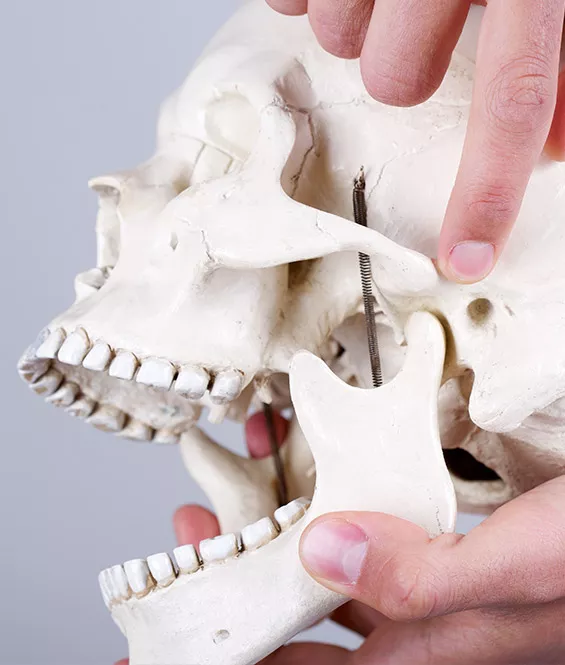
TMJ disorder is the name for a group of symptoms caused by dysfunction in the temporomandibular joint between your skull and your lower jaw. Causes include stress, injury, misaligned teeth, and grinding teeth.

TMJ Diagnosis
Diagnosis of TMJ disorder includes a thorough examination of your jaws, mouth, and throat to determine the underlying causes of stress on your jaws. Your dentist will also look at your eating habits, general health and stress level, bite alignment, and whether you clench or grind your teeth while asleep.
Book NowTMJ Treatment
Treatment for TMJ disorder depends on the nature of the underlying causes. In general, treatments focus on reducing stress on the jaws and can include massage therapy, anti-inflammatory medication, physiotherapy, stretches and exercises, and stress reduction. If the stress is being caused by clenching or grinding, your dentist may recommend an orthodontic treatment such as a bite appliance. In some cases, medical treatment of the joint itself may be necessary.
Frequently Asked Questions
What are the risk factors for TMJ disorder?
TMJ disorder, sometimes called TMD, often develops when your jaw is under extra strain. Grinding or clenching your teeth, chewing gum often, or biting on hard objects can increase stress on the joint. Past injuries, arthritis, or a misaligned bite may also contribute. Stress is another common factor, since it can cause jaw tension. If you’re noticing regular pain, clicking, or tightness, we’d be happy to assess your symptoms and talk about treatment options here in Mississauga.
Is there anything I can do at home to manage symptoms?
Yes — there are simple ways to make your jaw feel more comfortable between visits. Warm or cold compresses can ease soreness, and gentle massage around your jaw and temples may help too. Sticking to softer foods, keeping good posture, and practicing relaxation techniques often make a difference. Over-the-counter anti-inflammatories can sometimes provide short-term relief. If your discomfort continues, we can recommend a care plan that’s tailored just for you.
What is the best treatment for TMJ?
The best treatment depends on what’s causing your TMJ symptoms. For many patients, a custom night guard helps reduce stress from grinding or clenching. Others find relief with jaw exercises, physiotherapy, or adjustments to improve how the teeth fit together. At Lorne Park Dental Associates in Mississauga, we always begin with the most conservative options, and together we’ll find the approach that feels right for you.
Why is my jaw making noise when I chew?
A clicking or popping sound usually happens when the cushioning disc inside your jaw joint doesn’t move smoothly. Muscle tension or misalignment can make this more noticeable. While noise alone isn’t always serious, if it comes with pain, locking, or trouble opening your mouth, it’s a good idea to have it checked. We can help identify the cause and recommend gentle treatments to ease the strain.
What kind of doctor should you see for TMJ?
A dentist is often the best place to start. Dentists are trained to diagnose TMJ disorders and can provide custom appliances, bite adjustments, and other treatments. If your case is more complex, we may work with an oral surgeon, physiotherapist, or another specialist. Beginning with a dental evaluation gives you a clear path forward and helps ensure you get the right care.
Why does one side of my jaw keep locking?
If your jaw locks on one side, it usually means the joint isn’t moving the way it should. The disc inside may be out of place, or the muscles around your jaw may be too tight. Sometimes inflammation in the joint can cause it to “catch.” Because repeated locking can make things worse, it’s best to have your jaw examined. We’ll look at what’s happening and explain the safest way to bring back comfort and movement.
How can a dentist fix a misaligned jaw?
Dentists can often improve a misaligned jaw by bringing your bite and jaw into better alignment. That may mean orthodontic care, restorative treatments like crowns, or a custom bite appliance that lets your jaw move more comfortably. In some cases, specific exercises or specialist care are also helpful. At Lorne Park Dental Associates, we’ll create a plan that supports your long-term comfort and makes day-to-day activities like eating and speaking easier.
How can a dentist help with TMJ?
Dentists are often the first step in getting relief from TMJ. We can design a custom night guard, adjust your bite, or recommend treatments that ease tension in the joint. Beyond that, we’ll guide you with exercises, relaxation strategies, and referrals when needed. At our Mississauga office, we take the time to listen to your concerns and build a care plan that helps you feel comfortable again.